Business Analyst with Agile Scrum is an intensive, hands-on bootcamp designed to build real-world skills in requirement analysis, stakeholder communication, and Agile project delivery. The course covers business processes, SDLC, Agile Scrum practices, documentation techniques, and tools like Jira and Confluence through practical labs, case studies, and a capstone project preparing learners for roles like Business Analyst, Product Owner, and Scrum Master.

Covers PMLC and SDLC phases, emphasising the business analyst’s role. It includes Agile, Scrum, Kanban methodologies, and the concept of MVP. Key topics include environment management and BA responsibilities in project execution.
Module Lessons:
Tools and Technologies Covered:

Covers requirement types, elicitation techniques, and documentation best practices, including BRDs and FRDs. It highlights epics, user stories, and acceptance criteria, emphasizing clarity and structure. Examples, templates, and tools are also provided.
Module Lessons:
Tools and Technologies Covered:

This module covers process flowcharts, gap analysis, and UML diagrams such as use case and activity flow. It highlights feature value matrices for prioritization and best practices for use case documentation. Tools and examples are included for practical application.
Module Lessons:
Tools and Technologies Covered:

Covers Definition of Ready (DoR), Definition of Done (DoD), test cases, and business case validation. It also discusses requirement traceability through the Requirement Traceability Matrix (RTM), User Acceptance Testing (UAT), and Out-of-the-Box (OOTB) changes.
Module Lessons:
Tools and Technologies Covered:

This module covers tools used in business analysis, including JIRA and Confluence for project and requirement management, Visio and Draw.io for diagramming, and Figma for creating wireframes and mockups. Participants gain practical skills to enhance documentation, collaboration, and design effectiveness.
Module Lessons:
Tools and Technologies Covered:

This module builds an understanding of key technologies relevant to the business analyst role, including cloud computing, frontend and backend development, and UX/UI design principles. Participants explore cloud service models, server-side and client-side processing, and effective collaboration with development teams on product design and user experience.
Module Lessons:
Tools and Technologies Covered:

This module introduces Scrum by focusing on its principles, roles, and key processes. Learners explore the Scrum framework, including the Scrum Master’s role, business justification, quality management, and risk management in Scrum projects. Emphasis is placed on Scrum meetings, artifacts, and effective project tracking using Scrum boards, ensuring strong proficiency in agile project management.
Module Lessons:
Tools and Technologies Covered:

This module focuses on the Agile Product Owner role, covering product definition, lifecycle, and key responsibilities of a Product Manager. Learners gain insight into product vision, strategy, road-mapping, feature prioritization, and the creation of user personas and journey maps to align products with business goals and user needs.
Module Lessons:
Tools and Technologies Covered:

This module equips business analysts with data-driven decision-making skills using tools such as Excel and SQL. Learners develop capabilities in data preparation, cleaning, and analysis with Excel, along with SQL techniques for data extraction. Emphasis is placed on creating insightful reports and dashboards and combining Excel and SQL for advanced analytical workflows.
Module Lessons:
Tools and Technologies Covered:

Gain real-world skills guided by experienced industry professionals.
Learn anytime, anywhere with flexible online classes designed for you.
Access free guides, tools, and learning materials anytime.
Learn practical skills to build real-world career opportunities.
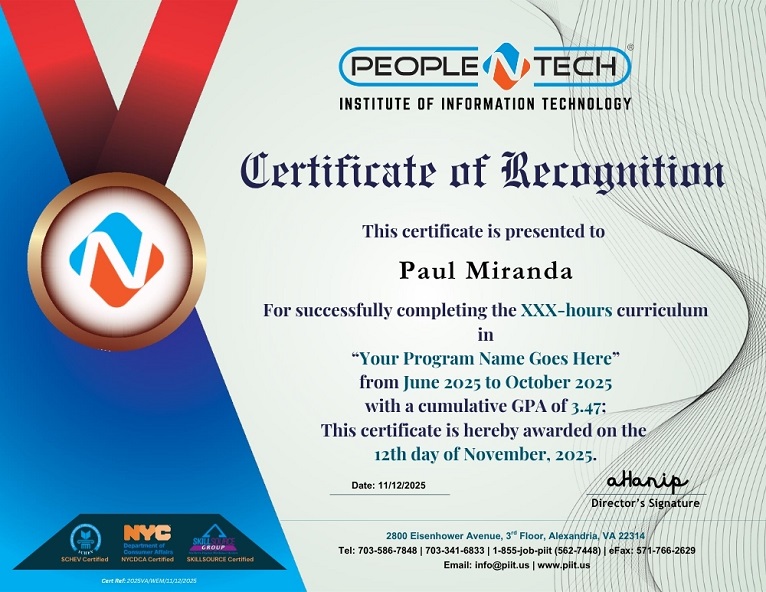

The application process is comprised of three basic steps. The shortlisted candidates will receive an admission offer, which they can accept by paying the admission cost.

Easily apply to any of our bootcamps by completing a simple online form and submitting required information.

An admission panel will shortlist students based on their application

Selected students can commence the program within short time


We've compiled answers to some of the most common questions ask.
This program is designed to help you understand how modern digital products are planned, built, and delivered using Agile Scrum practices. You will learn how to translate business needs into product features and work closely with development teams using structured frameworks and AI-assisted tools.
Yes, this is one of the most accessible entry points into tech for non-IT backgrounds. The program starts from fundamentals and gradually builds your understanding of systems, workflows, and product thinking.
You will learn requirement analysis, backlog management, Agile Scrum practices, stakeholder communication, and documentation techniques. Along with that, you will also use AI tools for faster reporting, requirement drafting, and decision support.
This program prepares you for roles like Product Owner, IT Business Analyst, Scrum Master, and Project Coordinator. These roles are highly valued because they directly impact product success and team efficiency.
In the US market, Product Owners and Agile professionals are earning around $110K–$130K+ in 2026 depending on experience. Companies are actively hiring professionals who can manage products and align business goals with development teams.
AI is increasingly used for analyzing requirements, generating insights, and improving product decisions. Professionals who understand both Agile practices and AI-assisted tools can work faster and make smarter decisions.
Yes, the program includes real-world case studies, sprint simulations, and hands-on projects. This ensures you gain experience that directly reflects how Agile teams operate in real companies.
Yes, many professionals grow from these roles into senior positions like Product Manager or Program Manager. It offers strong career growth with leadership opportunities over time.